

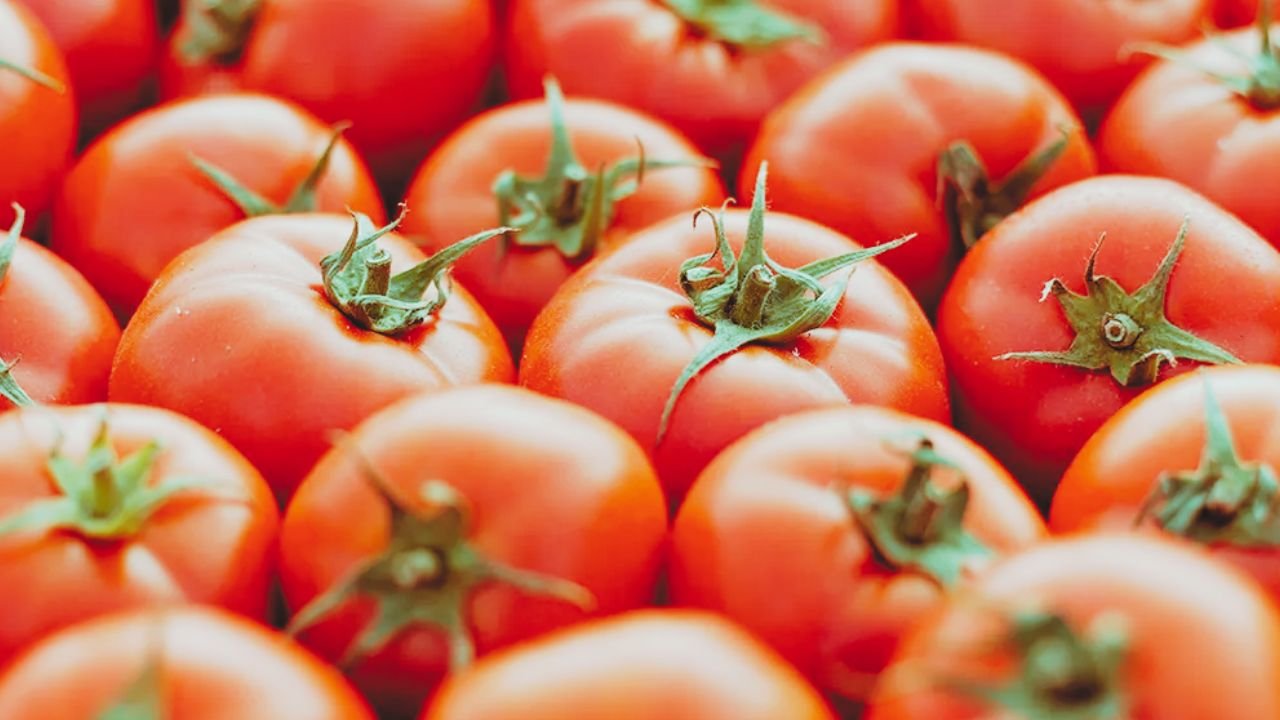
In March 2026, U.S. retail tomato prices jumped roughly 15% in a single month — the highest level in over eight years. By April, some measures showed prices up nearly 40% compared to the same period in 2025. What looks like a grocery pricing problem on the surface is something much more significant for businesses across food retail, foodservice, and manufacturing.
This article breaks down what caused the shortage, how it is affecting different business segments, and what companies can do to reduce their exposure if this happens again.
How Multiple Simultaneous Shocks Created a Tomato Price Crisis
This shortage did not come from one bad event. It came from several problems hitting at the same time, across multiple growing regions.
In early 2026, a freeze in Florida caused significant damage to domestic winter tomato output. Florida is one of the most important U.S. winter tomato sources, so losses there immediately tightened domestic supply.
At the same time, Mexico — which supplies roughly two-thirds of U.S. fresh tomato imports — faced heavy rainfall, fungal disease, and poor growing conditions that cut yields sharply. Canadian greenhouse production was also constrained by cold temperatures. In Europe, Spain and Morocco, both key exporters, dealt with flooding, unseasonal cold, and logistics disruptions that limited their output as well.
Normally, when one region underperforms, another picks up the slack. In early 2026, that buffer essentially disappeared. Industry publication The Packer described it as a “perfect storm,” and the data supports that framing. Wholesale prices for a standard 25-lb box of tomatoes tripled within 30 days in early 2026.
The Role of Tariffs, Energy Costs, and Fertilizer Prices
Weather alone does not fully explain where prices ended up. Policy decisions and macroeconomic factors pushed costs even higher.
Tariffs on Mexican Tomatoes
The U.S. Tomato Suspension Agreement, which previously allowed Mexican tomatoes to enter the U.S. market under negotiated pricing terms, was terminated. This introduced roughly 17% tariffs on fresh Mexican tomatoes in 2025-2026. The policy was originally designed to protect Florida growers from lower-priced Mexican competition. But with Florida’s crop already damaged by freezing temperatures, the tariffs ended up raising consumer prices during a supply shortage rather than protecting a functioning domestic crop.
Energy and Fertilizer Costs
Geopolitical tensions in the Middle East pushed energy prices higher throughout the supply chain — affecting transportation, greenhouse heating, and food processing operations. For processed tomato products like paste and canned sauces, higher natural gas costs translate directly into higher production costs, since these processes require significant thermal energy.
Fertilizer markets also tightened severely. Costs rose more than 50% over a short period, and approximately 70% of farmers reported they could not afford to fertilize at normal levels. Russian restrictions on ammonium nitrate exports and Chinese limits on phosphate and NPK exports contributed to the tightening of global fertilizer supply. Urea prices rose around 77% from December levels, according to reporting from TomatoNews.
When farmers underfertilize, yields drop. That further reduced the tomato supply at the worst possible time.
What Businesses in Food and Retail Are Actually Facing
The shortage is not an abstract statistic — it is showing up in procurement costs, menu prices, and manufacturing margins across multiple industries.
Retailers and Grocers
Supermarkets have seen procurement costs rise sharply. Some regions reported low stock and reduced availability in the tomato category. Retailers that previously ran promotional activity — buy-one-get-one deals, weekly sale pricing — have largely pulled back on tomato promotions. Some have introduced store signage explaining price increases to manage customer expectations.
One practical response has been shifting promotional focus to alternative produce like peppers and cucumbers, reducing dependence on tomato-driven category traffic during the shortage.
Foodservice Operators
Restaurants and sandwich chains are absorbing higher input costs on tomato-heavy items — BLTs, salads, pasta dishes, and pizza. A sandwich operation buying fresh field-grown tomatoes saw March prices jump 15% month-over-month on top of a nearly 23% year-over-year increase.
Operators have a few options, none of them simple: raise menu prices, reduce portion sizes, substitute ingredients, or accept margin compression. Most are doing some combination of all three. Smaller independent restaurants, which lack the purchasing leverage of large chains, are in a more difficult position.
Food Manufacturers
Producers of ketchup, pasta sauce, canned tomatoes, and ready meals face a compounding squeeze. Tomato input costs are rising alongside energy costs for processing and packaging costs — aluminum and tinplate prices have also been disrupted by geopolitical supply chain issues.
Analysts project 35-40% consumer price hikes across processed tomato categories without meaningful intervention. One documented manufacturer response has been “shrinkflation” — keeping the nominal price the same while reducing the package size. This approach maintains shelf price optics while partially recovering margin, but it tends to erode consumer trust when noticed.
Farmers and Growers
It is worth noting that farmers are not uniformly benefiting from higher prices. Many are absorbing elevated input costs — fertilizer, fuel, labor — while yields remain below normal due to weather damage and underfertilization. Higher tomato prices at the retail level do not automatically translate into better returns at the farm level.
How the U.S. Situation Compares to Europe and Global Markets
This is not a purely American story. European markets experienced sharp price spikes in early 2026 as well. Spanish round tomato prices rose approximately 66% month-over-month and over 154% year-over-year at their peak in early April. UK importers reported significant disruptions from Morocco and Spain, where cold temperatures, heavy rain, flooding, canceled ferry services, and emerging tomato pathogens — including ToBRV — reduced shipment volumes substantially.
However, European markets showed early signs of stabilizing by late March and into April 2026, as new seasonal supply came online. The U.S. situation has been slower to ease, partly because of the additional weight of tariff costs layered on top of supply constraints.
For businesses with international sourcing or exposure, the key takeaway is that this was a global supply event, not a localized one. Regions that appeared to offer alternative sourcing were often facing their own disruptions at the same time.
Short-Term Outlook and Structural Risks
Some forecasts from late March and early April 2026 suggested that the U.S. fresh tomato shortage could ease within three to six weeks as new regional harvests came online. That is encouraging for near-term supply, but prices are a different matter.
According to Los Angeles Times reporting, U.S. tomato prices are expected to remain above 2025 levels through at least summer 2026, even as supply normalizes. Sustained energy costs, elevated fertilizer prices, and ongoing tariff exposure mean that the cost structure underlying tomato production has not returned to where it was before these disruptions.
More broadly, the events of 2026 point to a structural vulnerability in global tomato supply chains. Multiple key producing regions faced simultaneous climate stress. Fertilizer and energy markets remain sensitive to geopolitical decisions beyond any single country’s control. Businesses that treat this as a one-time anomaly and return to pre-2026 sourcing strategies without review are accepting a risk they may not have fully priced in.
What Businesses Can Do to Reduce Future Exposure
No strategy eliminates supply chain risk entirely, but there are practical steps businesses can take to reduce their vulnerability to future disruptions.
- Diversify sourcing across regions. Businesses that relied solely on Mexican fresh tomatoes or a single European supplier had no fallback when those regions were simultaneously affected. Identifying and qualifying secondary suppliers in different geographies — including domestic greenhouse producers — reduces single-point-of-failure risk.
- Negotiate longer-term supply contracts. Spot market exposure amplified price volatility during the 2026 shortage. Forward contracts with growers or processors can lock in pricing and volume commitments, providing more predictable cost planning.
- Hedge energy and fertilizer costs where possible. For food manufacturers, energy is a direct production cost. For farmers in your supply chain, fertilizer availability and price affect yield reliability. Working with suppliers who hedge these inputs — or building energy cost buffers into procurement contracts — can reduce downstream margin exposure.
- Explore controlled-environment agriculture. Greenhouse and hydroponic tomato production is less exposed to weather events than field-grown crops. Investing in or partnering with controlled-environment producers can provide a more stable supply baseline, though at a different cost structure.
- Build product flexibility into your operations. Manufacturers and foodservice operators who can quickly reformulate recipes — using tomato paste instead of fresh tomatoes, or adjusting sauce ratios — have more options when one input becomes prohibitively expensive. Building that flexibility before a crisis is far easier than scrambling during one.
For more analysis on supply chain risk, food industry trends, and business strategy, Step Business Journal covers these topics regularly.
The Bigger Picture
The 2026 tomato shortage is a clear example of how compounding, simultaneous shocks — weather, trade policy, geopolitical energy disruptions, and input cost inflation — can turn an ordinary commodity into a significant business problem very quickly.
Retail prices reached their highest point in eight years. Processed tomato categories face projected price increases of 35-40%. Farmers, manufacturers, retailers, and restaurants are all absorbing some portion of costs